
Enjoy all our blog posts here.
Please subscribe to the blog so you don’t miss a thing!

Hopbush - the good and bad
At this time of year, the Hopbush is looking spectacular. I have mixed feelings about this shrub though. On one hand, it hosts lots of cool insects and birds and is useful for erosion control. But it can be invasive, encroaching and then dominating vegetation communities.


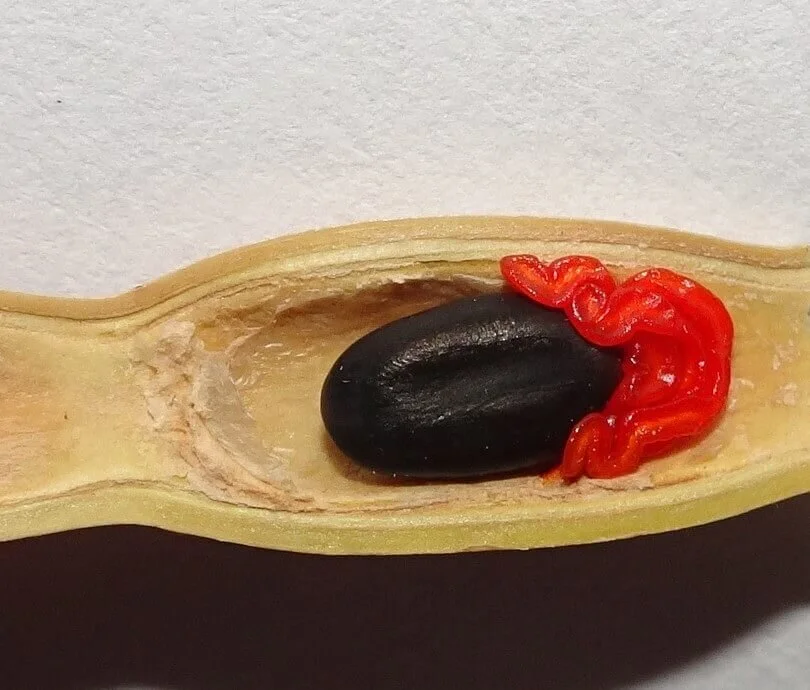
Acacia ligulata
Sandhill Wattle is a major component of our revegetation program. But it is also a bit of a rock star with many unique characters.
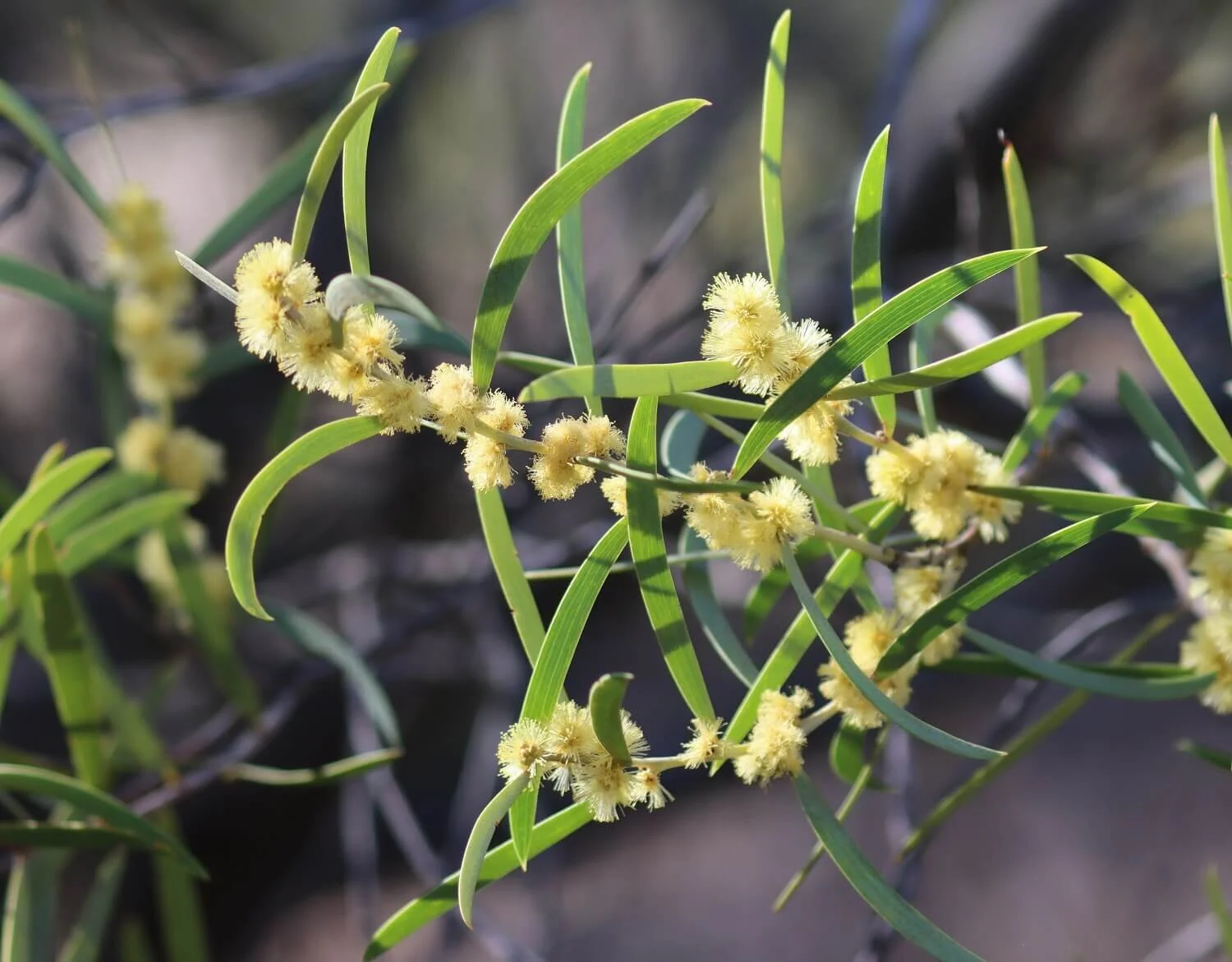
Acacia oswaldii - the old wattle
This rare, slow-growing wattle is long-lived and can grow to an immense size.

Zebra Finches and Porcupine Grass
The Zebra Finches are here in numbers which means the Porcupine Grass seed is ripe. Porcupine Grass (Triodia scariosa), sometimes called Spinifex, has an interesting story …

Scalping the soil to restore grasslands
Our trial of scalping the soil to restore a semi-arid grassland.

Murnong - the Yam Daisy
The Murnong (Yam Daisies) are flowering in the Mallee. Read more about identification, cultural uses for food and how to grow this beautiful plant.
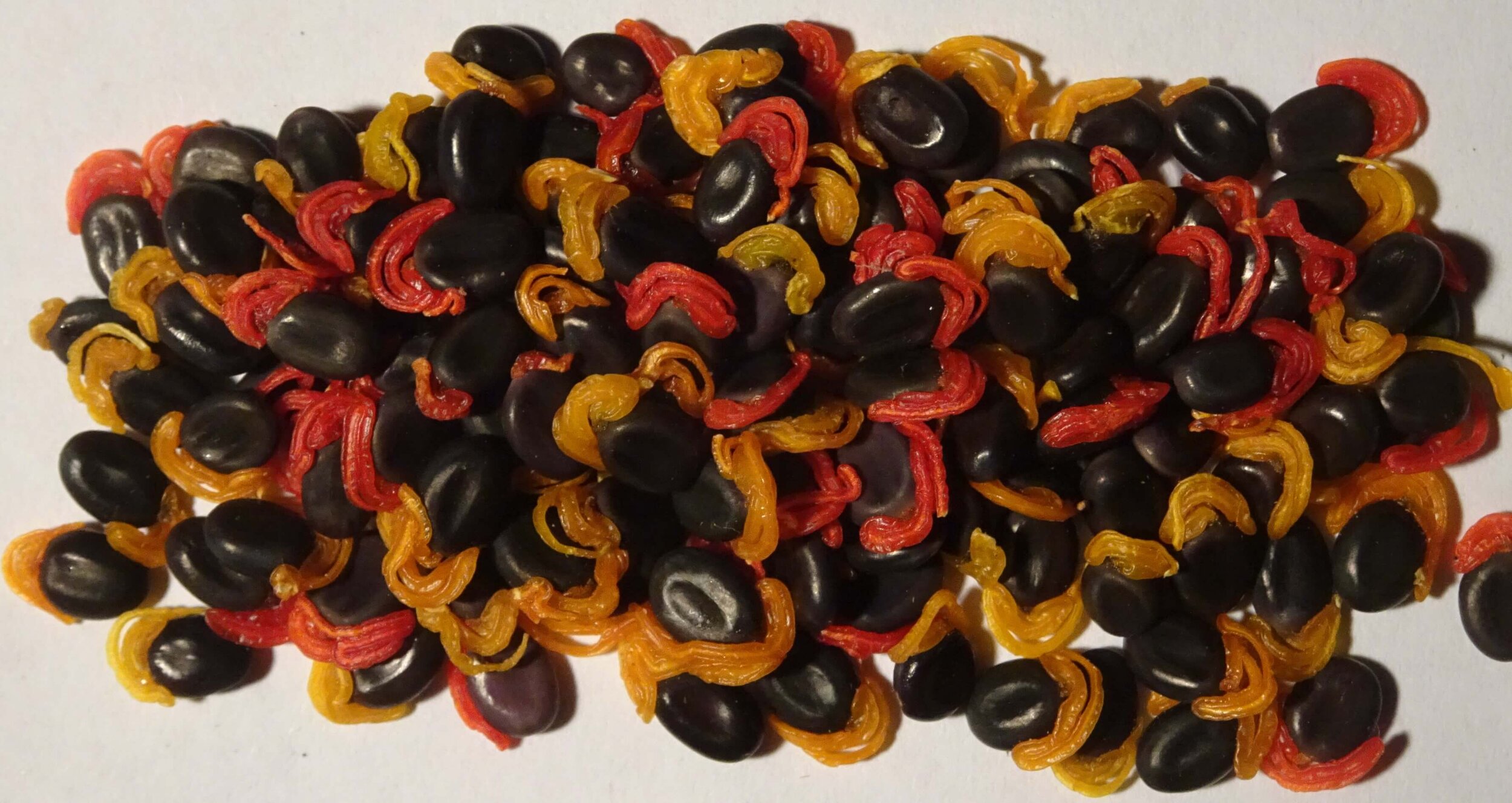
Wattle day
Year after year, the Wattle have their own, consistent rhythm for flowering … and seed collection.
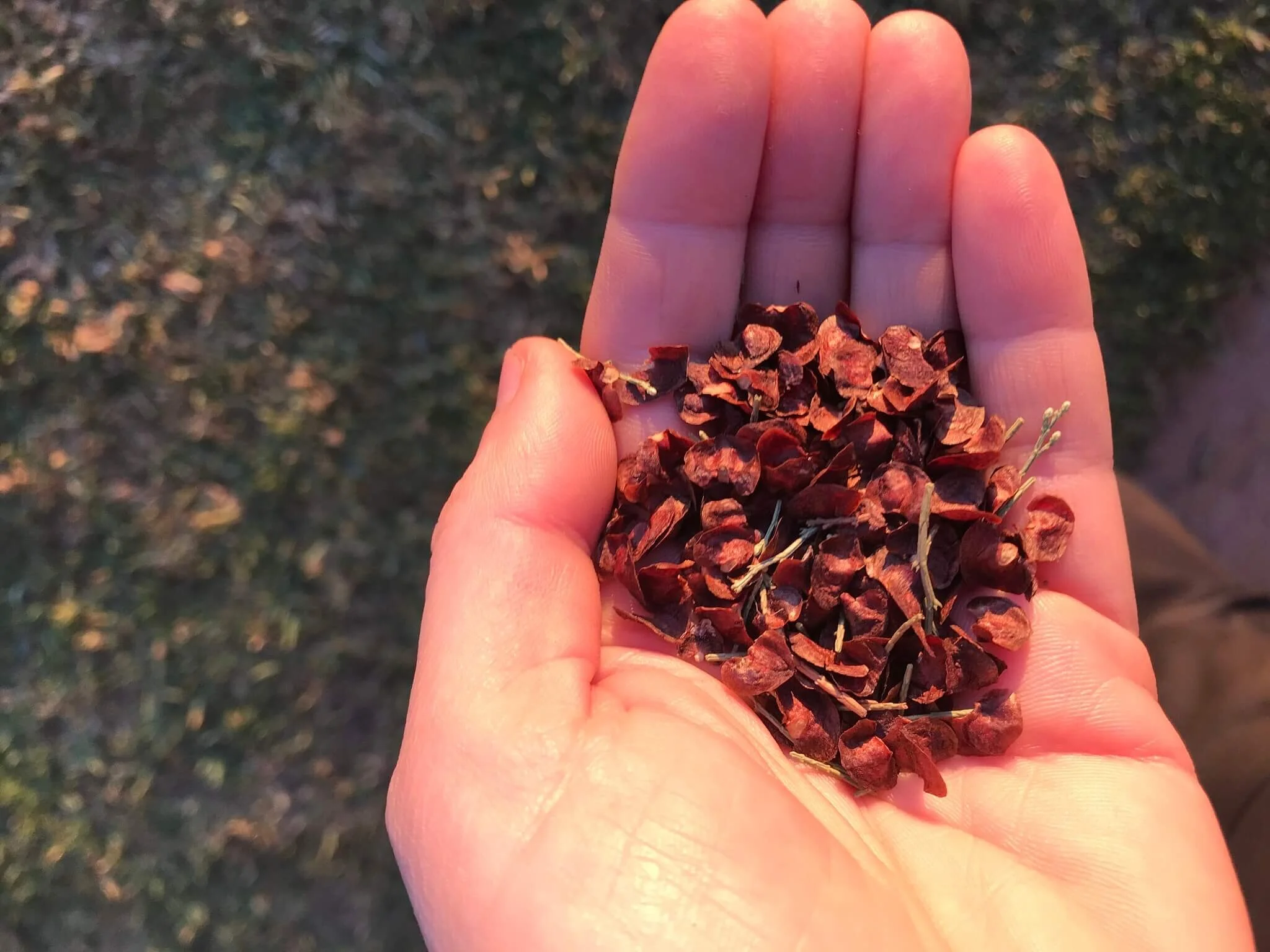
Native Pine for revegetation
August is the time to sow seed of native Pine (Callitris gracilis) so the tubestock will be ready to plant out in Autumn.