
Enjoy all our blog posts here.
Please subscribe to the blog so you don’t miss a thing!

Zebra Finches and Porcupine Grass
The Zebra Finches are here in numbers which means the Porcupine Grass seed is ripe. Porcupine Grass (Triodia scariosa), sometimes called Spinifex, has an interesting story …

Scalping the soil to restore grasslands
Our trial of scalping the soil to restore a semi-arid grassland.

Australian Broomrape (the good one)
Some parasitic Broomrapes are introduced pests, but one is a very rare native species. How to identify the weedy and native species.

Orange Immortelles en masse
The Orange Immortelle produces a stunning wildflower carpet after good winter rains.

Good years for Spear Grass
Good Autumn and Winter rainfall means fields of swaying Spear Grass (Austrostipa spp.). These clever grass have self-planting seeds.

Murnong - the Yam Daisy
The Murnong (Yam Daisies) are flowering in the Mallee. Read more about identification, cultural uses for food and how to grow this beautiful plant.
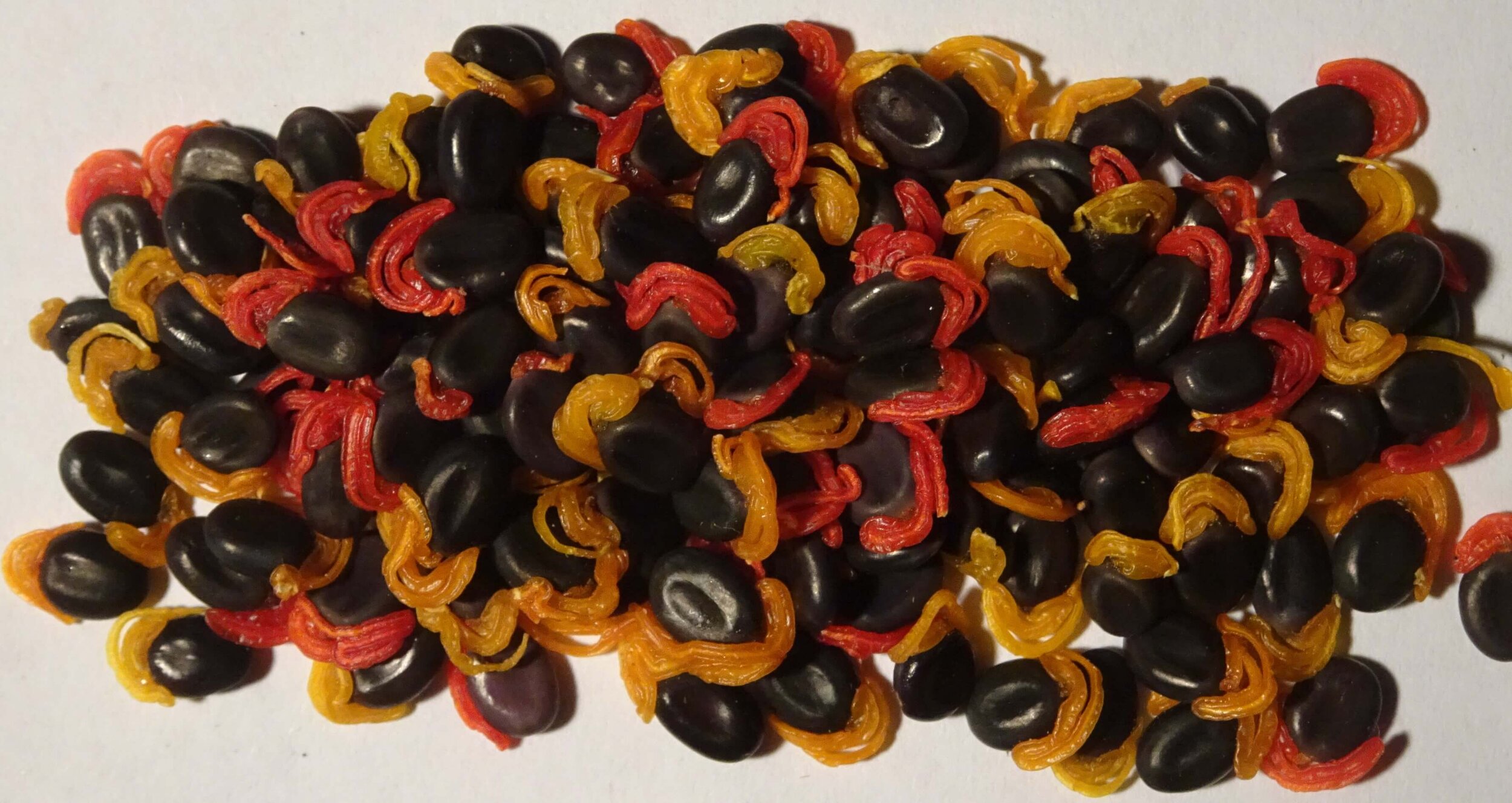
Wattle day
Year after year, the Wattle have their own, consistent rhythm for flowering … and seed collection.
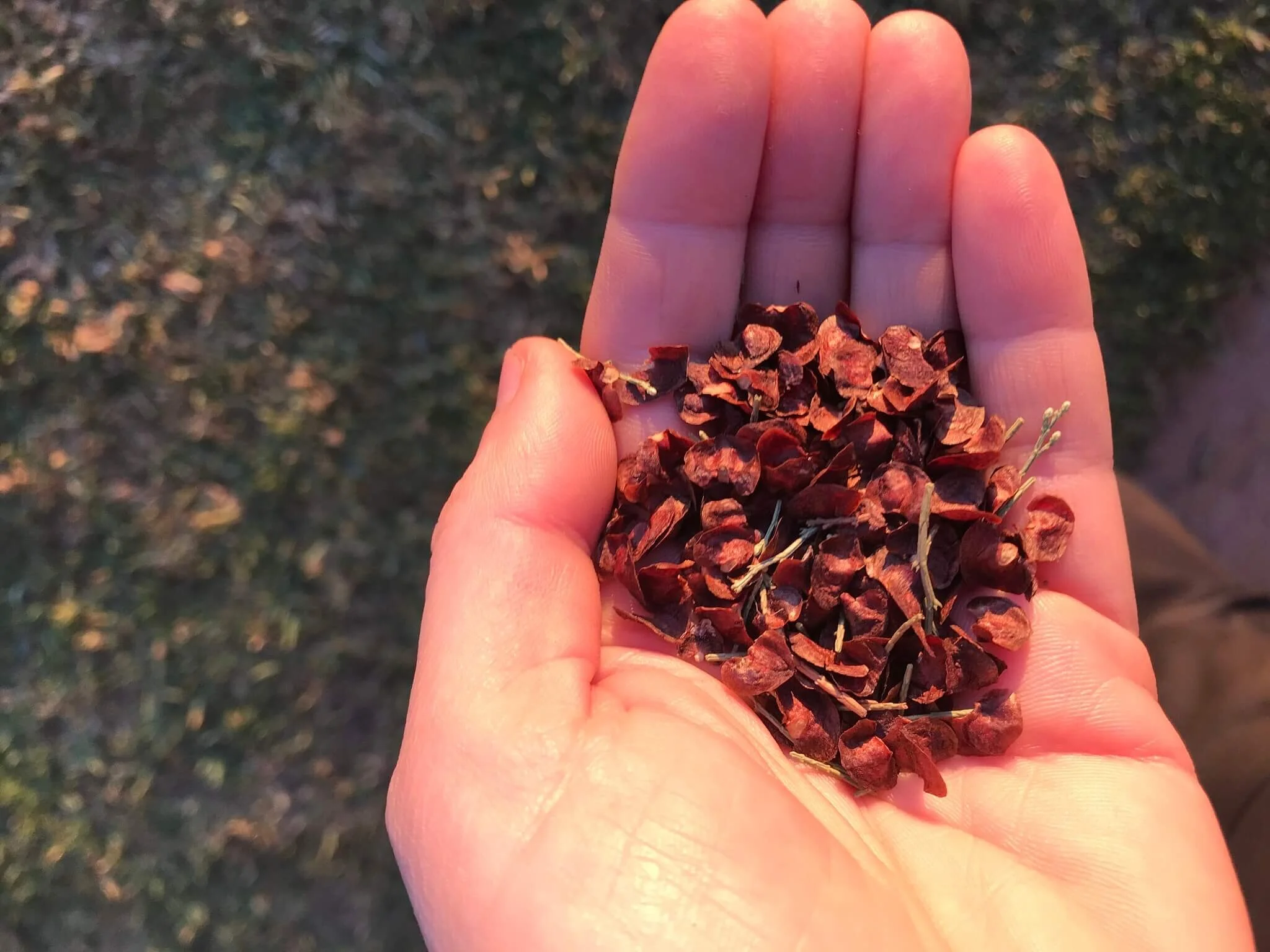
Native Pine for revegetation
August is the time to sow seed of native Pine (Callitris gracilis) so the tubestock will be ready to plant out in Autumn.

(not) Insect Egg Slime Mould
I wish this was the intriguing Insect Egg Slime Mould, but it’s not … it’s Dog Vomit Slime Mould. Yuk.

Wandering lichen
Wandering Lichen is usually found blowing about on the soil surface, but when it rains the lichen unfurls to reveal …


Identifying fungi
There are some fantastic resources available to help you identify fungi.