
Rearing caterpillars
From mid November 2025 to early January 2026, we set traps to record the abundance of Mallee Looper moths in the Victorian Mallee. But we were also interested in rearing the caterpillars from the eggs we collected.
Why? Because a detailed understanding of the life history of the Mallee Looper (Arhodia sp.) is critical to help us understand why they have become superabundant in recent years.
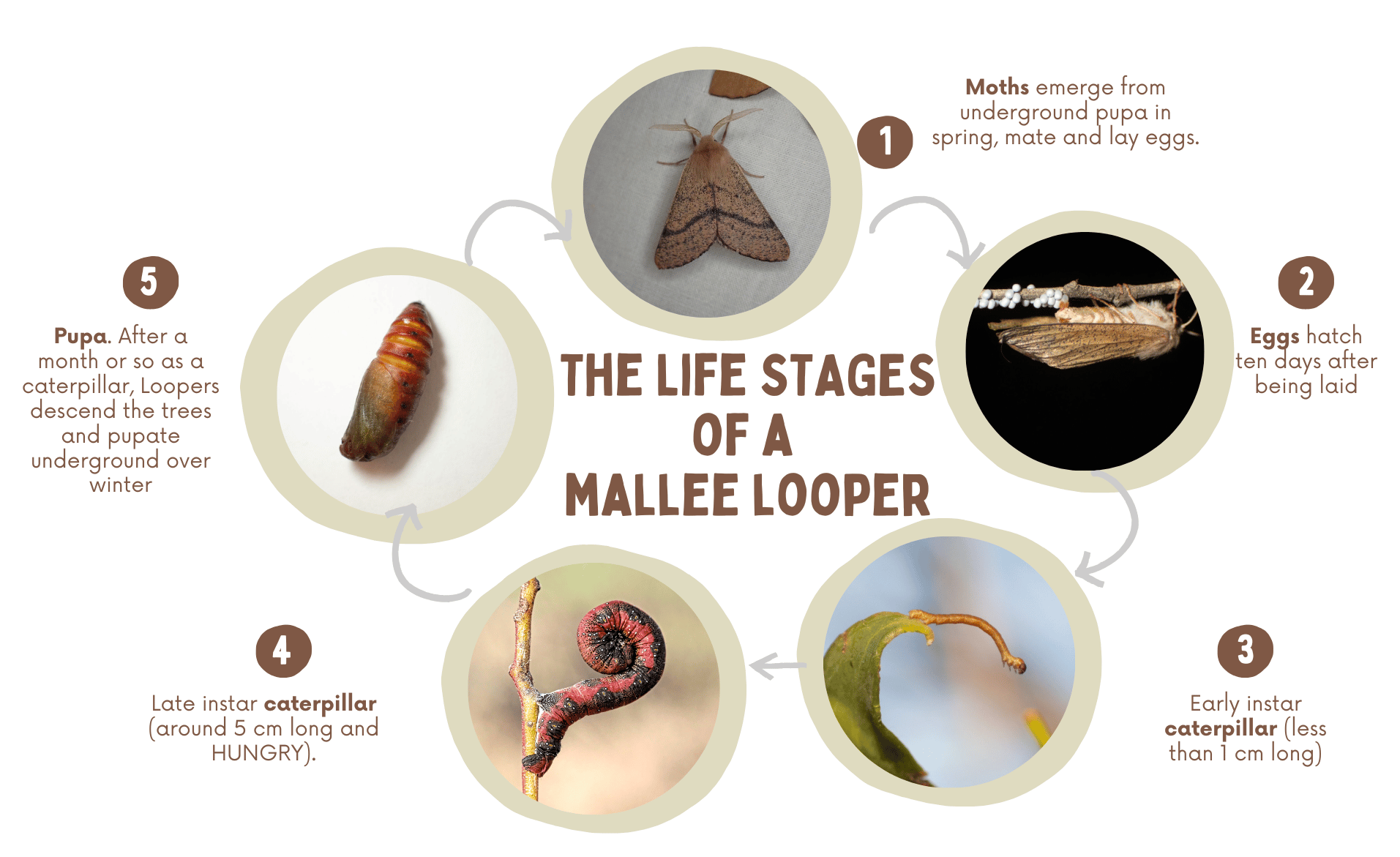
The life stages of a Mallee Looper caterpillar
What is a caterpillar instar?
As a caterpillar grows, it passes through discrete growth stages called “instars”. The caterpillar’s “skin” can stretch a little to allow growth, but eventually it each gets too big for its skin sausage and has to molt its entire outer cuticle so it can keep growing. Underneath is a slightly larger skin for it to grow into.
Geometrid caterpillars usually do this five or six times before reaching full size. But we weren’t really sure how many instars the Mallee Looper has. I turned my office into this, so we could find out:
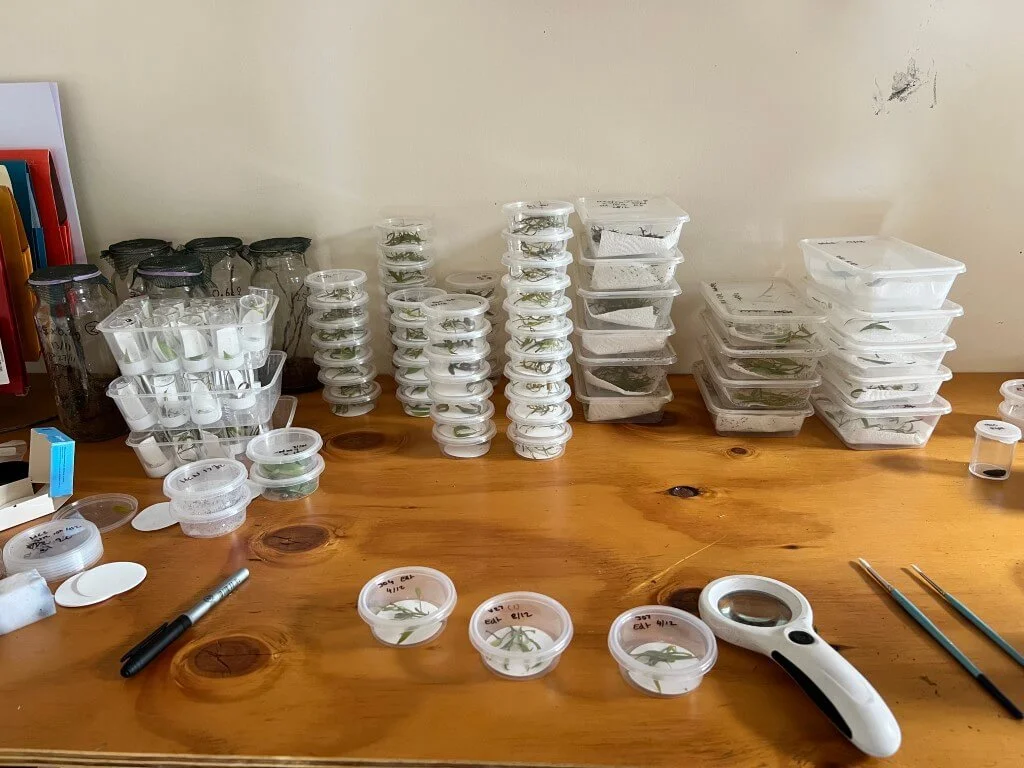
Rearing hundreds of Mallee Loopers in the office. The caterpillars needed daily feeding so they travelled with us to my parents’ place for Christmas!
When a Mallee looper caterpillar hatches from the egg it is only 4 mm long. These caterpillars started off in vials - they were so tiny that they escaped from any other container. This is the dispersal stage (remember “Caterpillars go ballooning”) and most of them died before eating. But if we could tempt them with the freshest leaf tips they would start feeding and molt to the next size up. Survival was very high from the second instar onwards.
We found the Mallee Looper has six instars before reaching maximum length (55 mm) around 32-35 days after hatching from the egg. The Loopers increase in size rapidly in the last two instars and that was when they were hungriest. Out in the bush, this would be the “very hungry caterpillar” stage when most damage and defoliation of trees would occur.
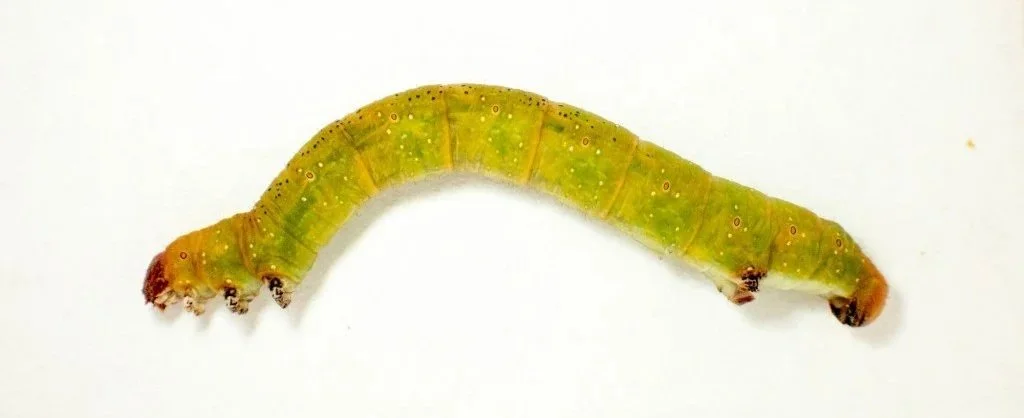
A sixth (final) instar Mallee Looper caterpillar, at maximum length of 55 mm. They can be green, red or orange.
How can you tell how old a caterpillar is?
Because the head capsule is more rigid than the skin, it doesn’t stretch as the caterpillar grows. There is one “helmet size” for each instar. So, we measured the head capsule width of 240 caterpillars and related this to body length, body width and caterpillar age (days since hatching). Sadly, our Looper does not retain the head capsules like the uber-cool Head-stacking caterpillar.
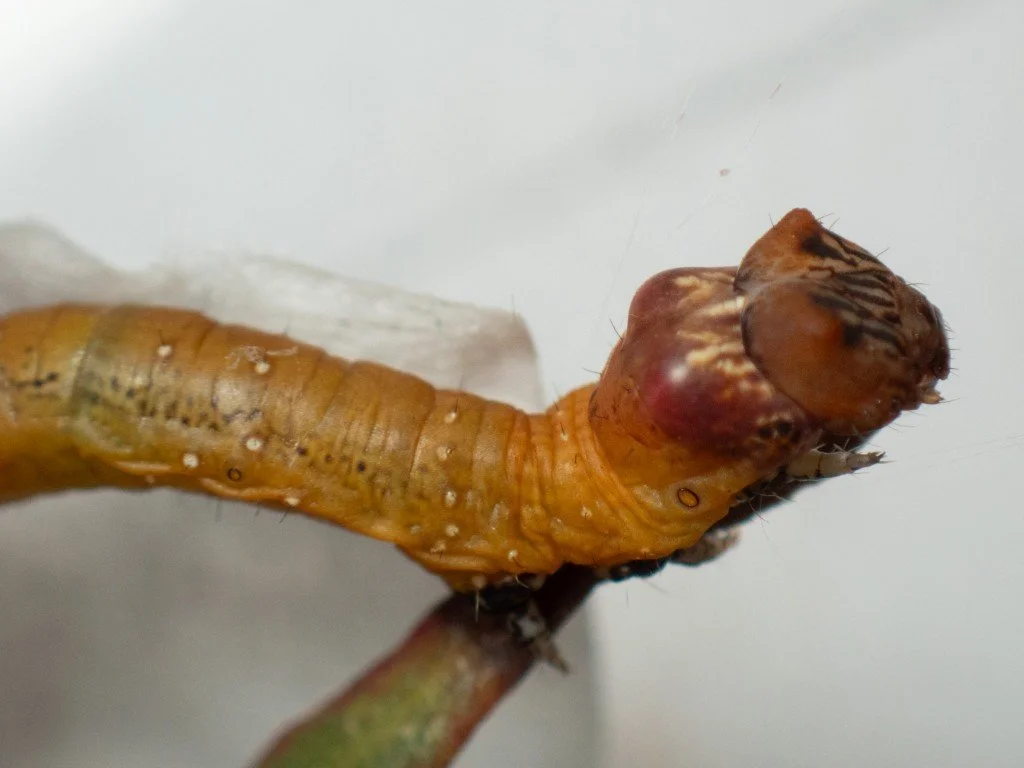
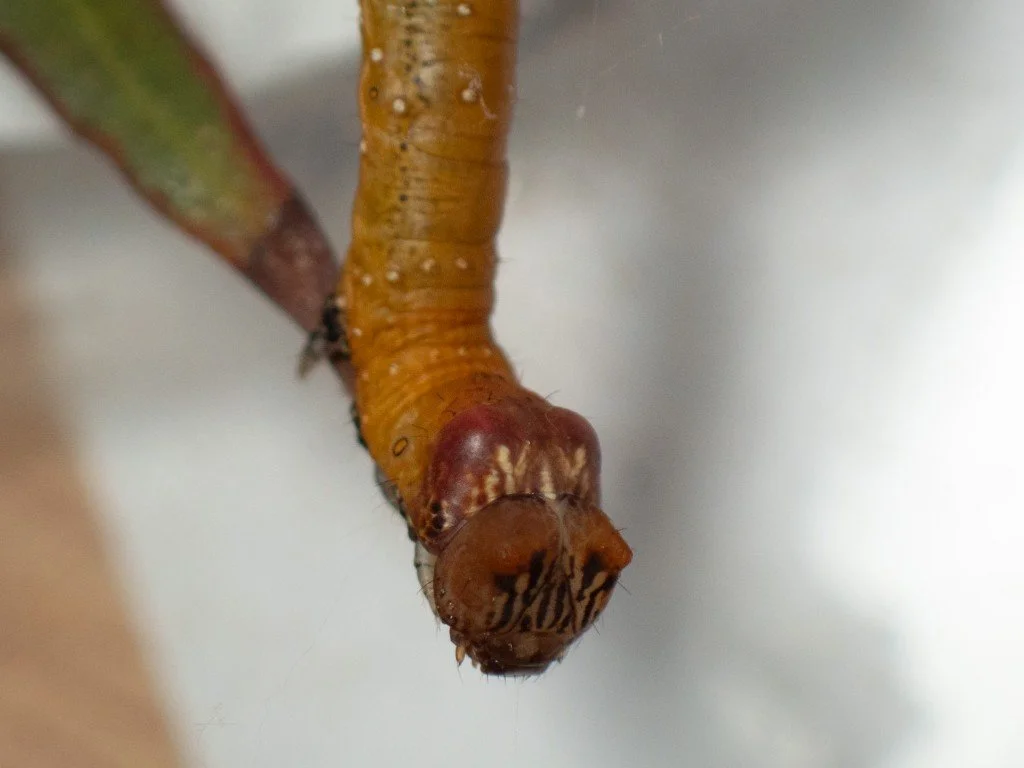
The head capsule is last to be shed as the caterpillar jumps to a larger size-setting (instar).
We can use this handy helmet-size-age relationship to predict when caterpillars will reach the voracious stages. For example if we see synchronised emergence of moths on the 15th December, eggs will hatch around 10 days later and caterpillars will reach the second last instar 20-30 days later, around the 14-24th January. This tells us when we should be out in the field looking for signs of defoliation on the trees. We can also determine the age of caterpillars in the field by measuring the width of the head capsule - pretty nifty hey?
After the caterpillar comes the pupa
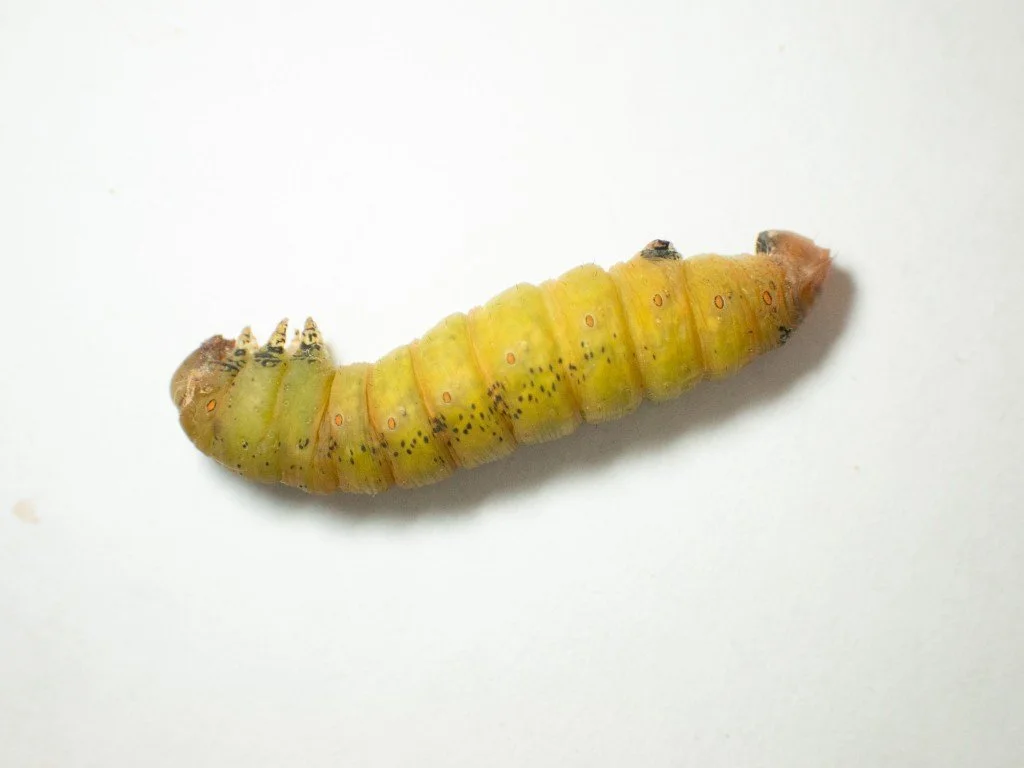
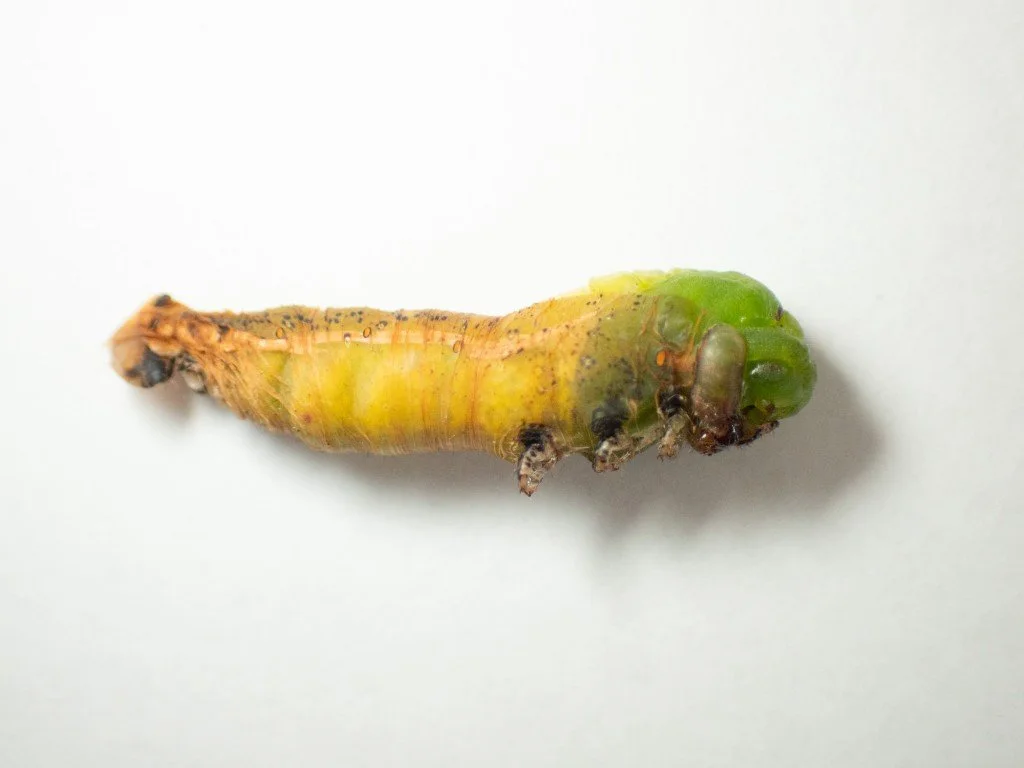
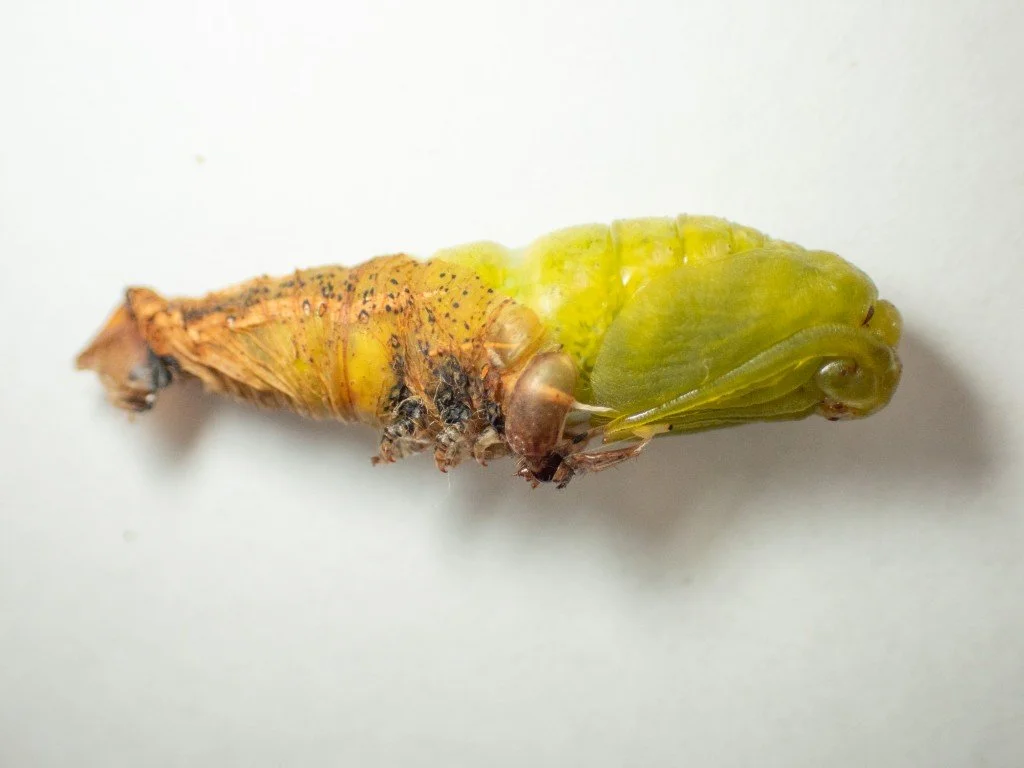
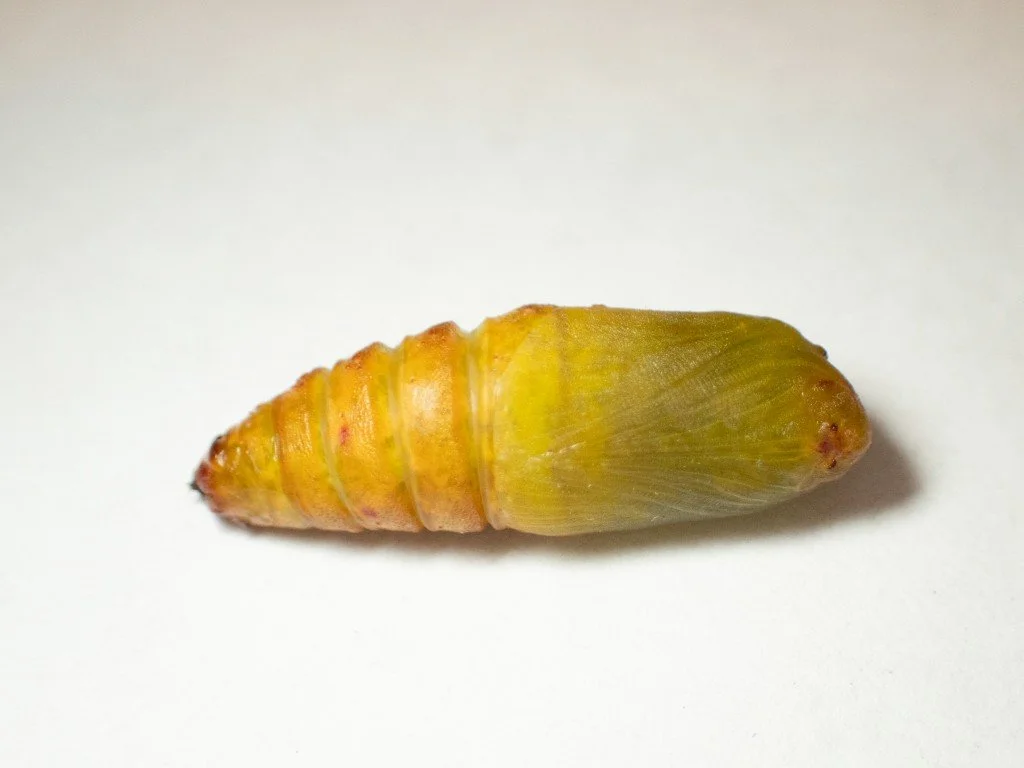
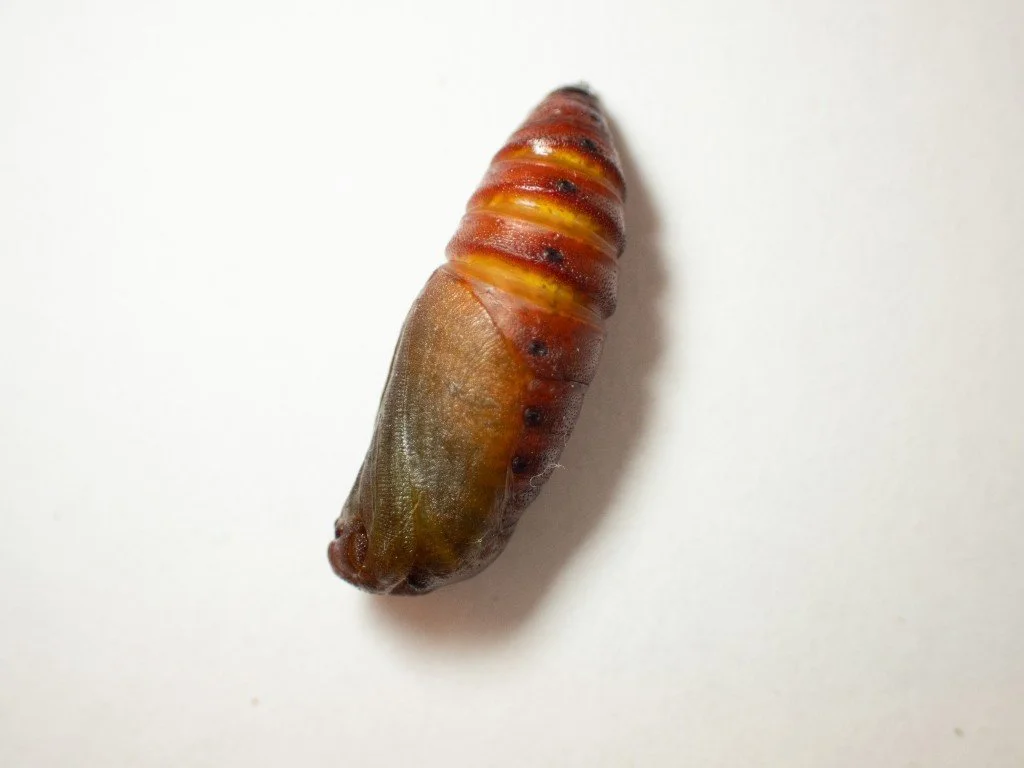
Pupation in moths is the transformation stage where the caterpillar (technically, larva) becomes an adult moth inside a protective casing called a pupa. In the Mallee Looper, pupation occurs underground about 10 cm below the soil surface. The transformation from caterpillar to pupa involves an alien stage.
This project of the Regional Drought Resilience Planning program is jointly funded through the Australian Government’s Future Drought Fund, the Victorian Government and the Natural Resources Conservation Trust.