
Where are the Mallee Looper caterpillars?
From recent moth trapping, egg counting and caterpillar rearing we were expecting high numbers of hungry Mallee Looper caterpillars eating the leaves from Mallee Eucalypt trees in January. This did not happen. Hooray!

My horror image from February 2025. Mallee trees in Hattah Kulkyne National Park, totally defoliated by Mallee Looper caterpillars.
Throughout December and into January 2026, we were out counting caterpillars at our monitoring sites. This involves hitting branches with a stick and catching caterpillars (and leaves) in a sheet as they fall. But there were far fewer caterpillars than I expected.
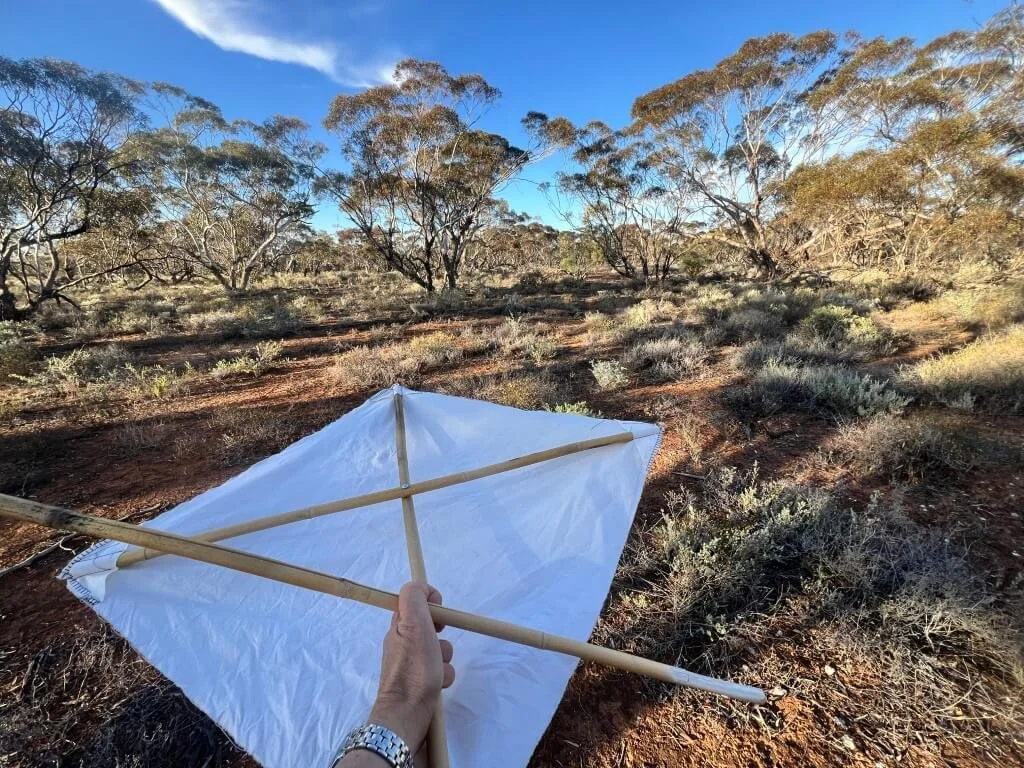
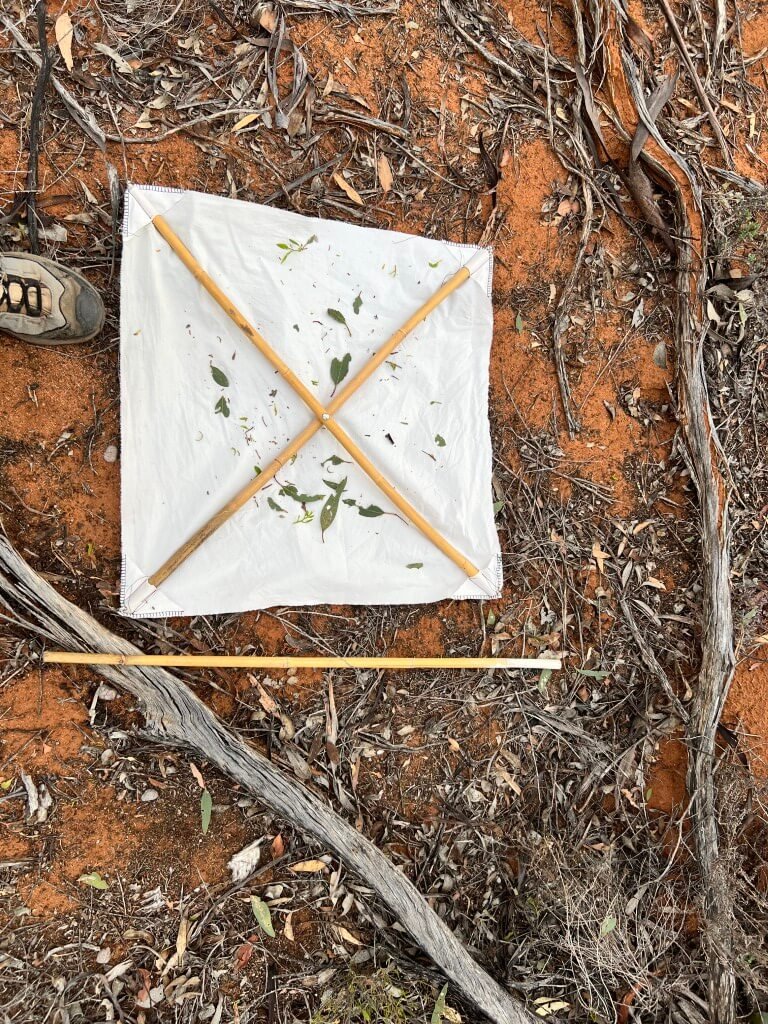
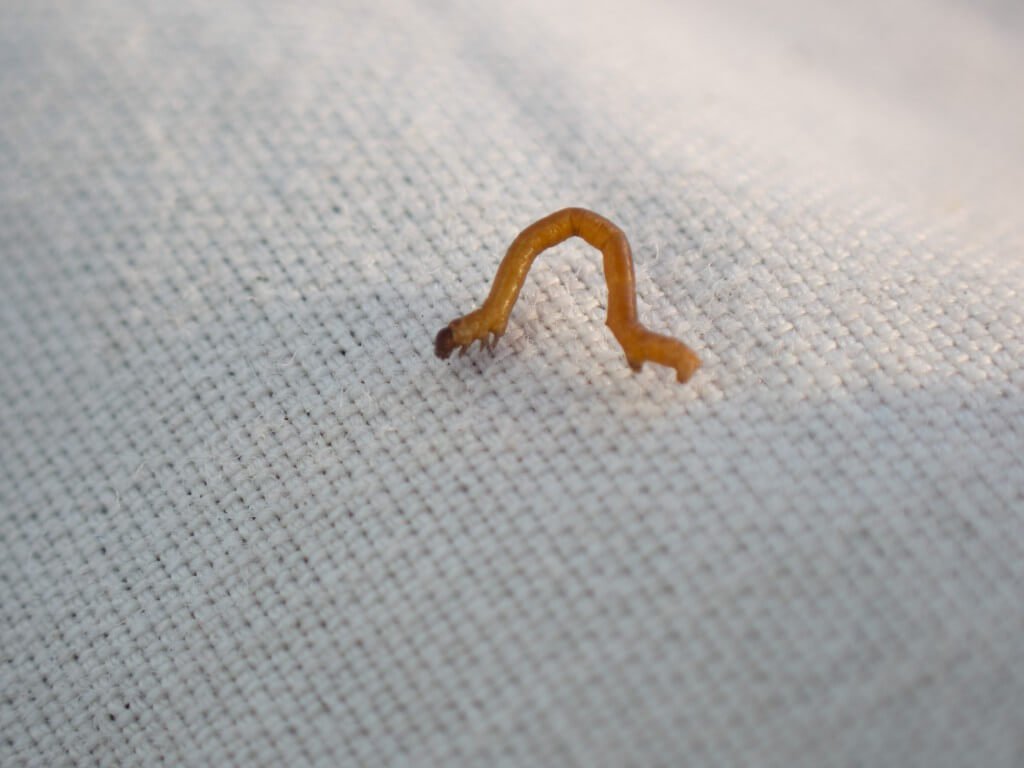
We also set up monitoring sites in October to measure how much of the tree canopies were being stripped by caterpillars. But when we returned to assess them in February, instead of defoliation, we found this:
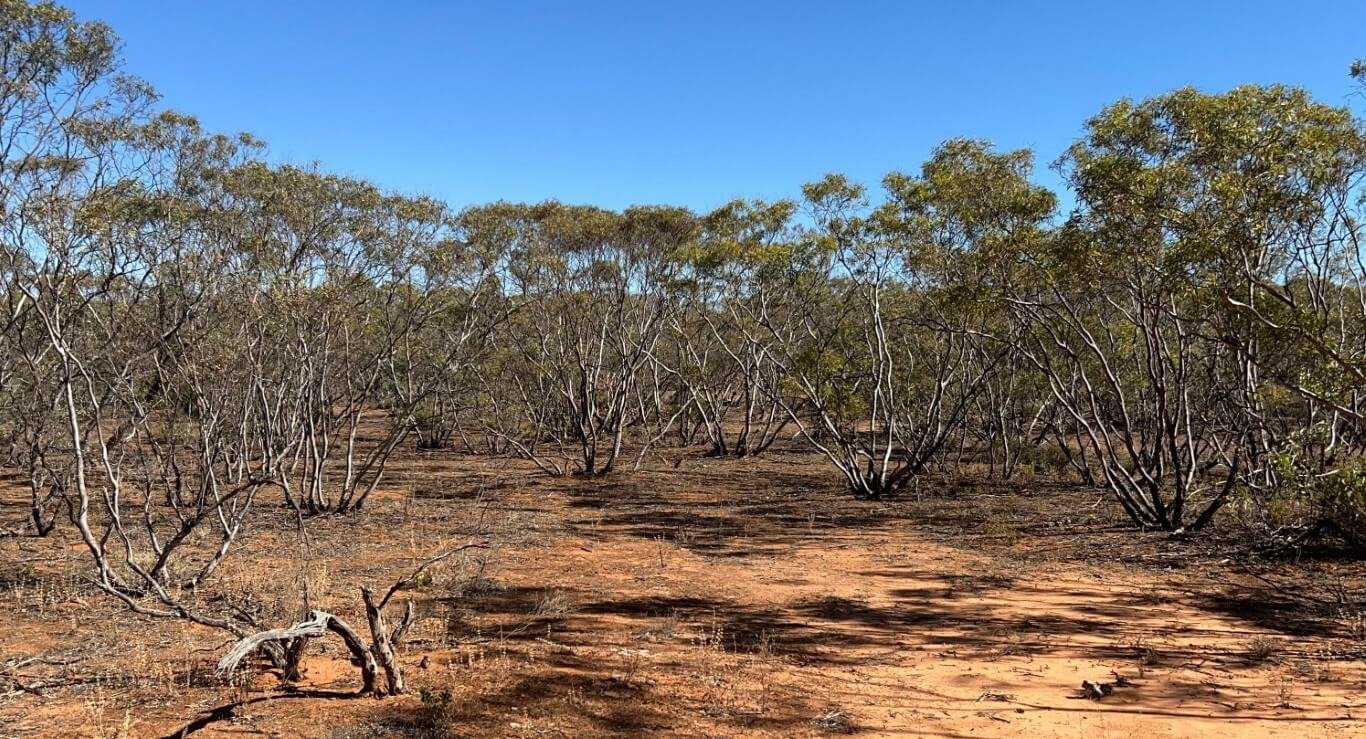
The same location in February 2026. There is no defoliation evident and the trees have regrown their leaves!
The story was the same in South Australia. Very little defoliation was being recorded and caterpillars were scarce. So where did the caterpillars go? We believe that the extremely hot weather, with many days exceeding 40°C during December and January, reduced the number of caterpillars to very low levels. So, for this year at least it looks like the Mallee trees have a reprieve.
It’s another twist in the Mallee Looper plot that keeps us all guessing.
Thanks to the Mallee Looper Groupies
I’d like to acknowledge the incredible research being undertaken by the Mallee Looper Groupies. For several years this collection of volunteers, ecologists and entomologists from across South Australia and Victoria have been quietly working away making the discoveries that are building the story of the Mallee Looper. The Groupies are coordinated by Toby Galligan from the Murraylands and Riverland Landscape Board, with entomological advice from the incredibly experienced and knowledgeable Peter McQuillan. It includes researchers and volunteers at Birdlife Gluepot Reserve, Australian Landscape Trust Calperum Station, and iNat legends like Ellura Sanctuary and Rhytiphora.
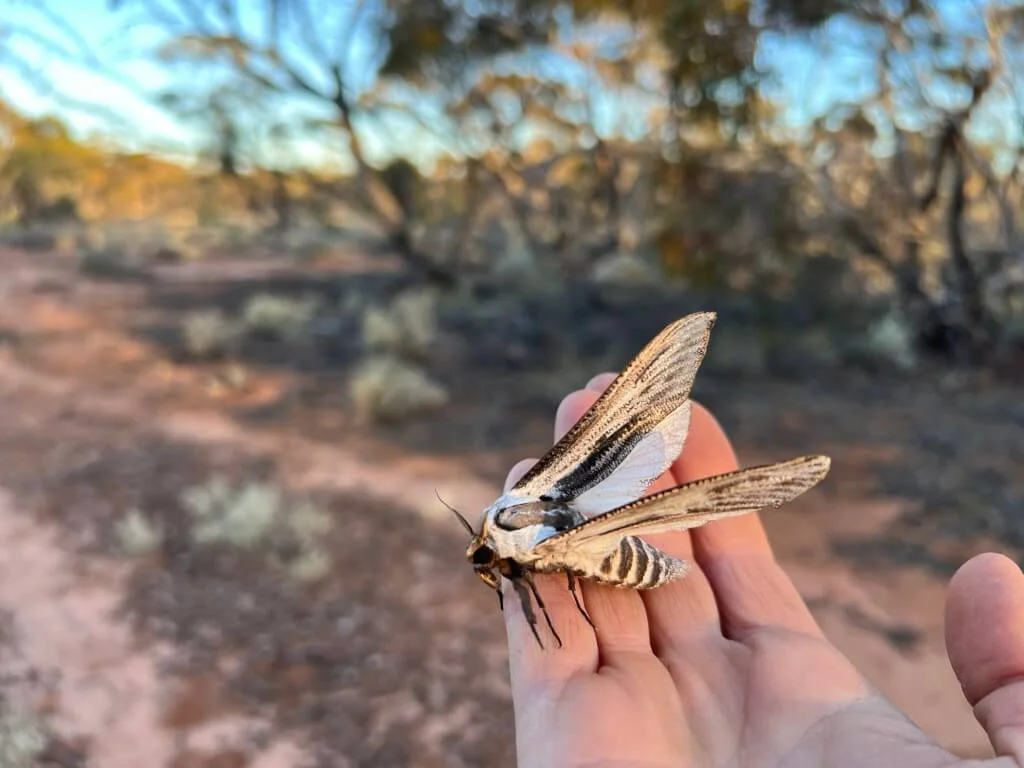
Not a Mallee Looper. A Leopard Moth (Endoxyla sp.). Just because it is beautiful.
This project of the Regional Drought Resilience Planning program is jointly funded through the Australian Government’s Future Drought Fund, the Victorian Government and the Natural Resources Conservation Trust.