
Stories about plants … click to read more
Just want photos? Try the Plants Gallery, photos are grouped by month!
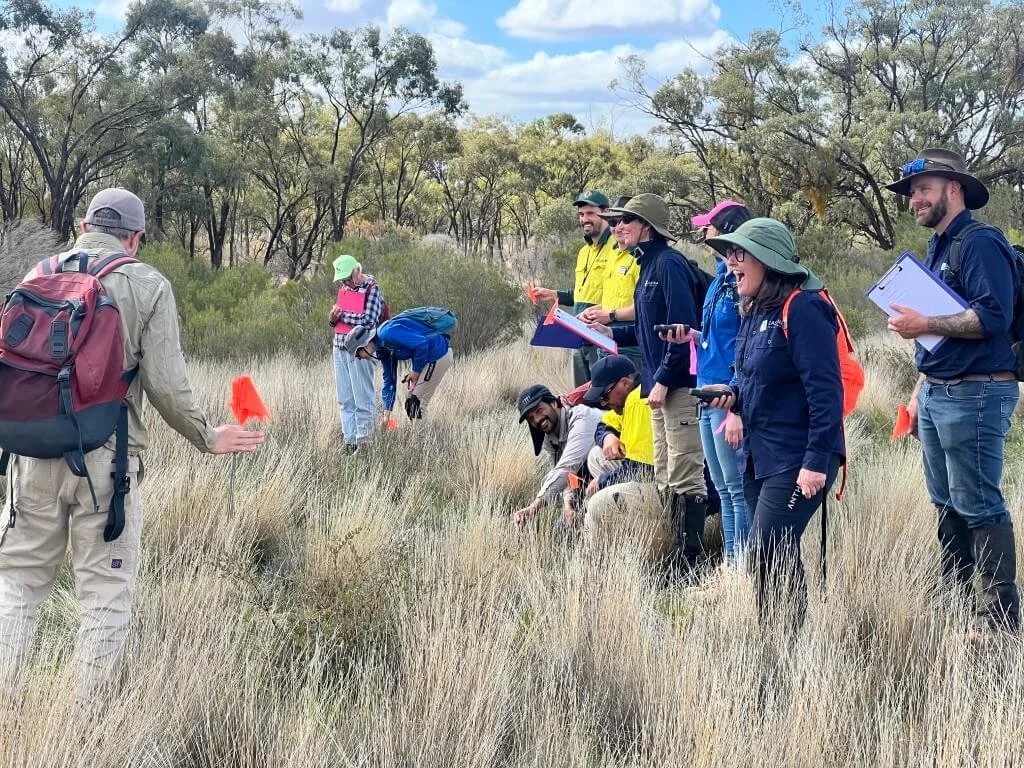
In September 2025, we hosted a field day on Raakajilm searching for the Silky Swainson-pea (Swainsona sericea). What a day it was - fully booked and wait-listed. Who knew there were so many plant nerds in the Mallee! And we solved the rhizobium mystery!
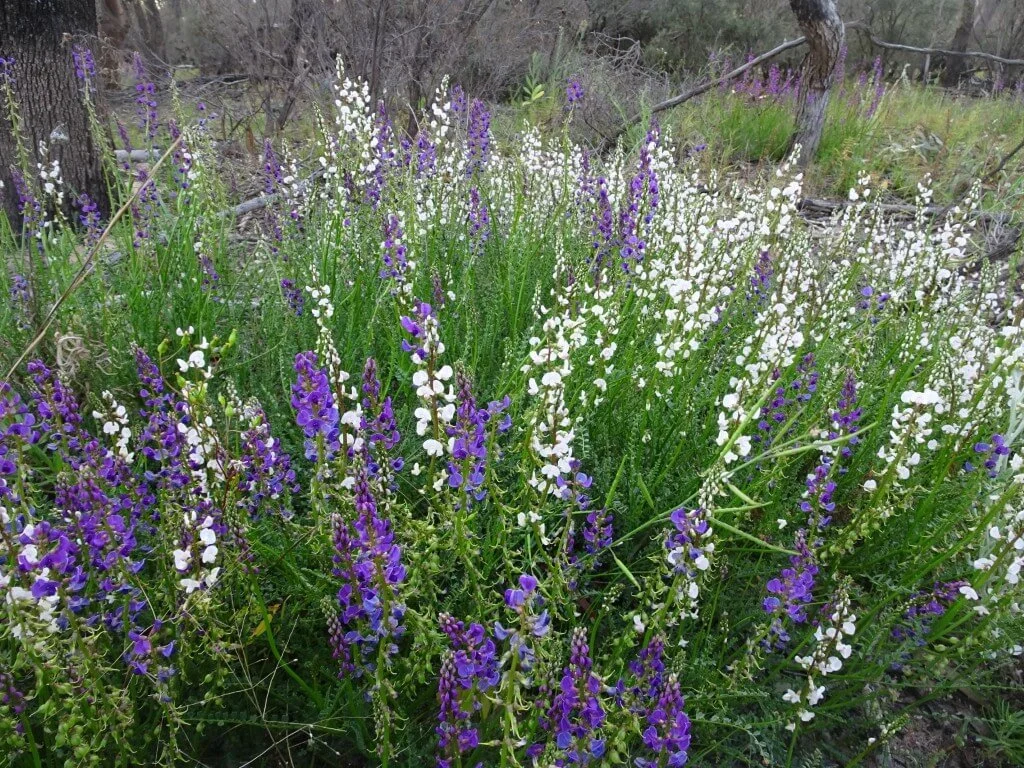
The Swainson-peas are beautiful plants, difficult to propagate and mostly threatened in Victoria. In the Mallee we have several species, including: Small-leaf Swainson-pea (Swainsona microphylla); Silky Swainson-pea (Swainsona sericea); Dwarf Swainson Pea (Swainsona phacoides); and Hairy Darling-pea (Swainsona greyana).

It’s that time of year when Gazanias start flowering and we notice them creeping their way into bushland areas. These plants may be colourful but they are a real menace. It frustrates me that they are not listed as a weed in Victoria so they can still be sold in nurseries. Luckily, I’m not the only one concerned.

In May 2025, we asked our friends at MYCOmmunity and Fungi4Land to show us how to do fungal restoration properly

We have invited a few emus to live on Raakajlim. Job description: “Eat, walk and poo”. And now we have giant Quandong-filled poo all over the place!
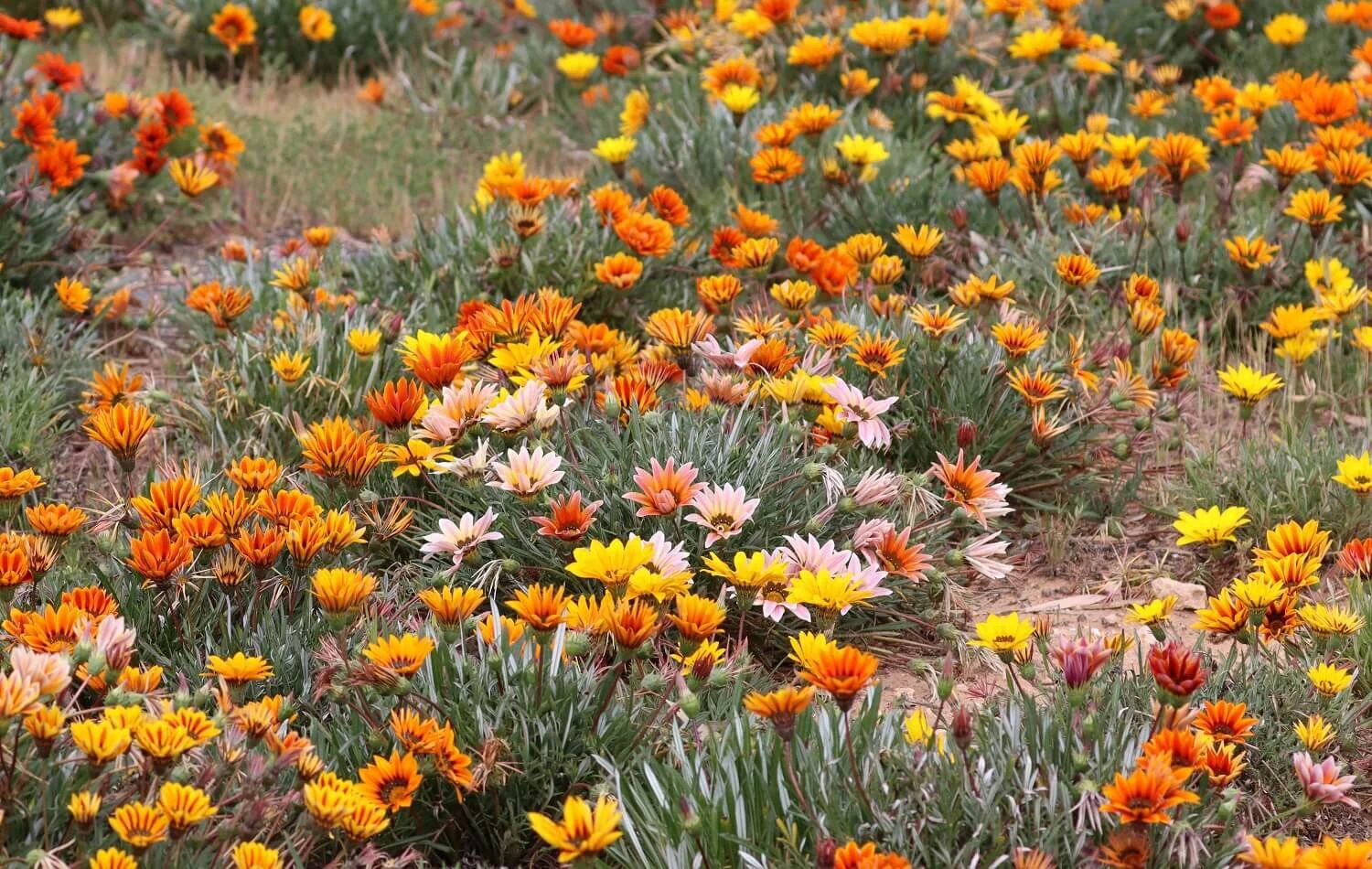
Gazania are evil weeds with wind-dispersed seeds. It would be really helpful if nurseries stopped selling this weed!
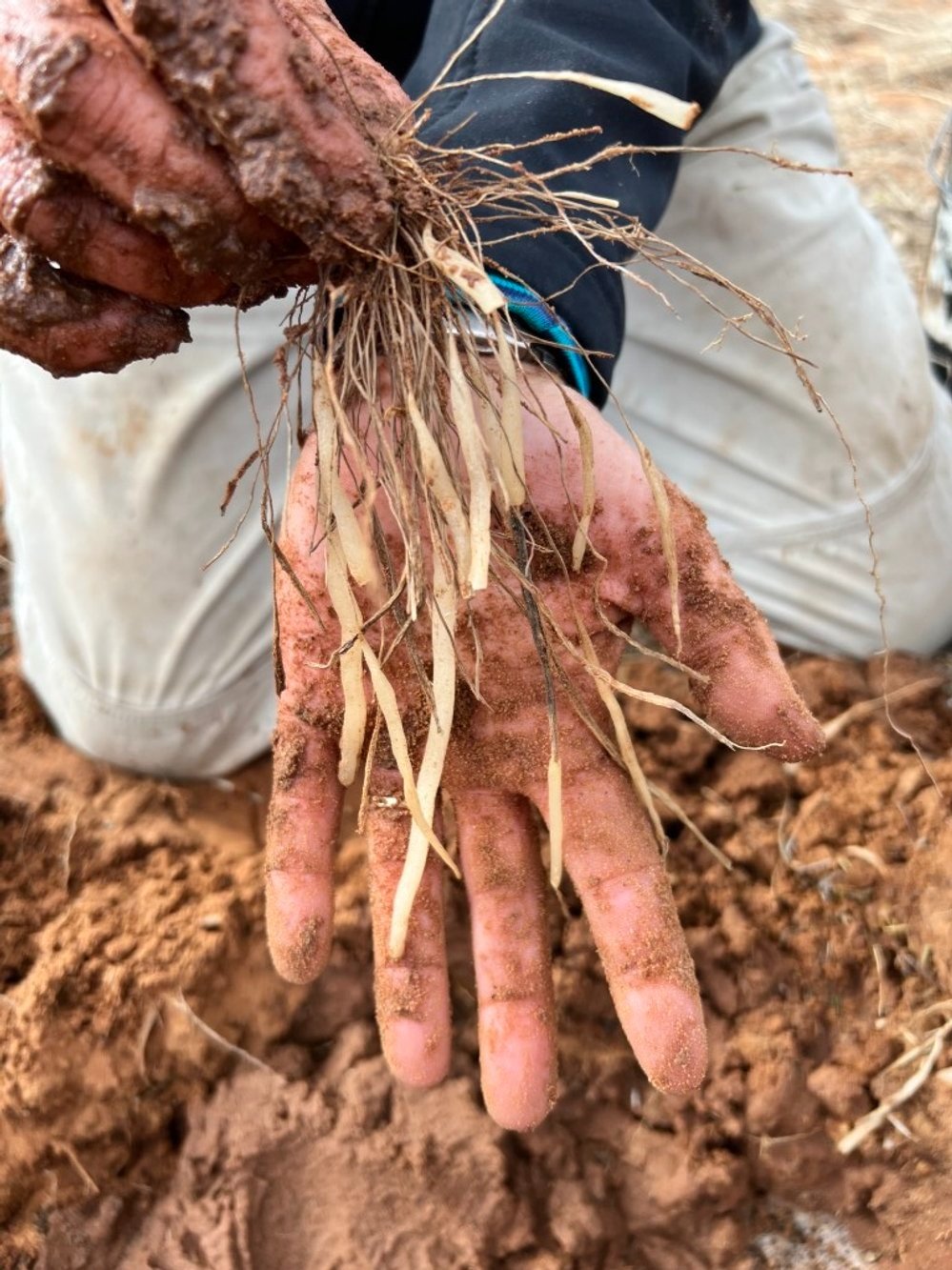
The root systems of plants in the Mallee include underground storage organs. The cultural and ecological importance of these is extraordinary.


A rare plant called Boerhavia coccinea, the food plant for the Striped Hawk Moth caterpillar Yeperenye.

Flowering at night, a mystery, native bee pollinator and special twists to keep the flowers closed. Weird indeed.

At this time of year, the Hopbush is looking spectacular. I have mixed feelings about this shrub though. On one hand, it hosts lots of cool insects and birds and is useful for erosion control. But it can be invasive, encroaching and then dominating vegetation communities.

This is Austral Bugle (Ajuga australis). Plants from Raakajlim will contribute to understanding the taxonomy of this species. But it looks like the Mallee plants are the grandest of them all!

Dark emu is in the sky, the emus have laid their eggs, but I’ve been looking at their poo.


Casey the excavator is used to treat rabbit warrens, for fencing, and precision weeding of Spiny Rush.

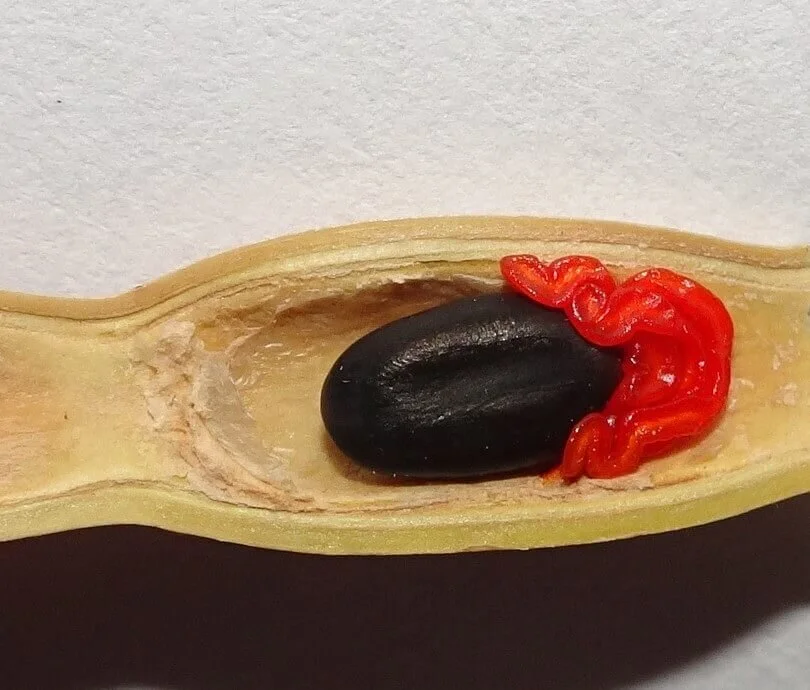
Sandhill Wattle is a major component of our revegetation program. But it is also a bit of a rock star with many unique characters.
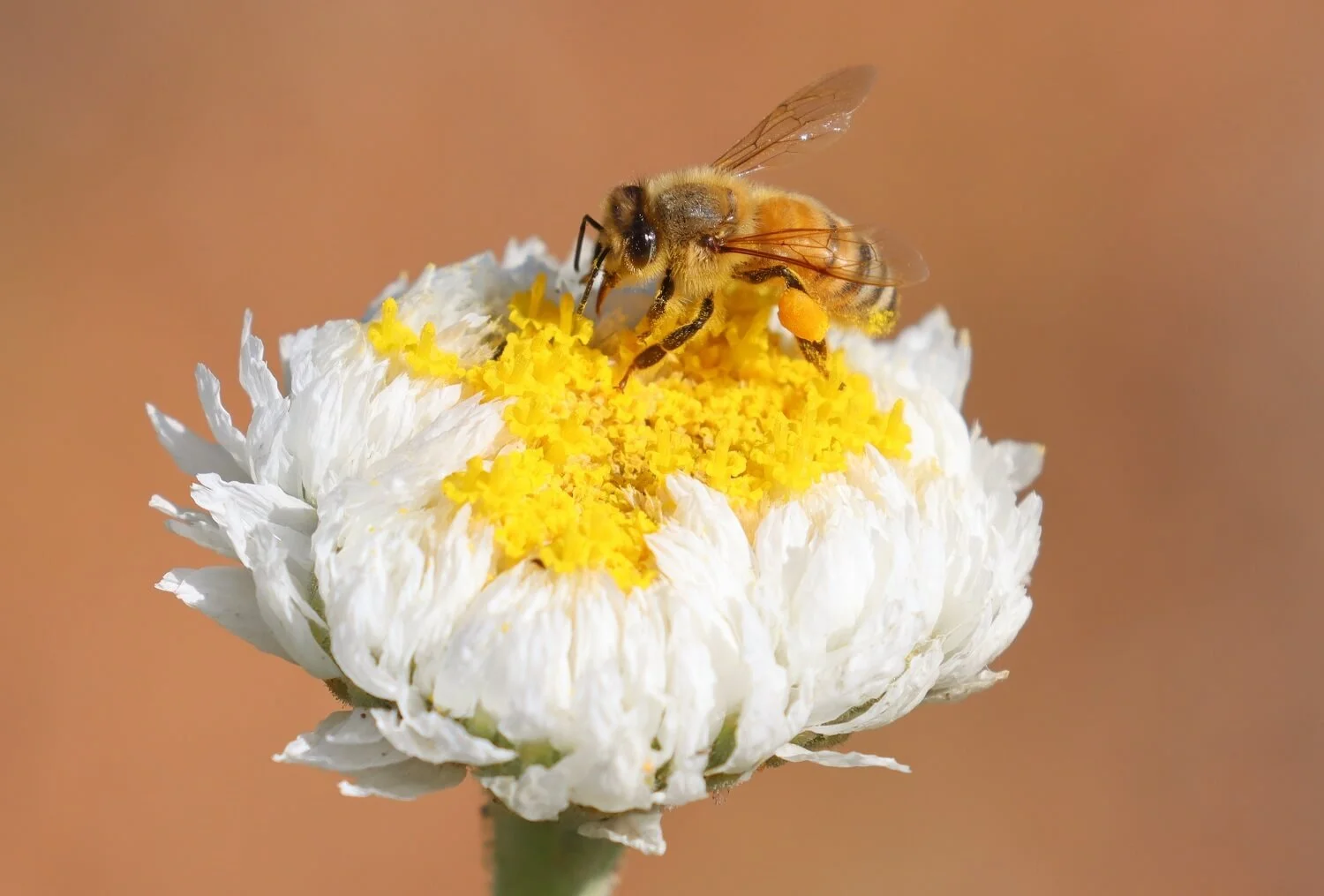
The Poached Egg Daisies were spectacular in Spring 2020, but they’ve finished now and the white fluff is everywhere.
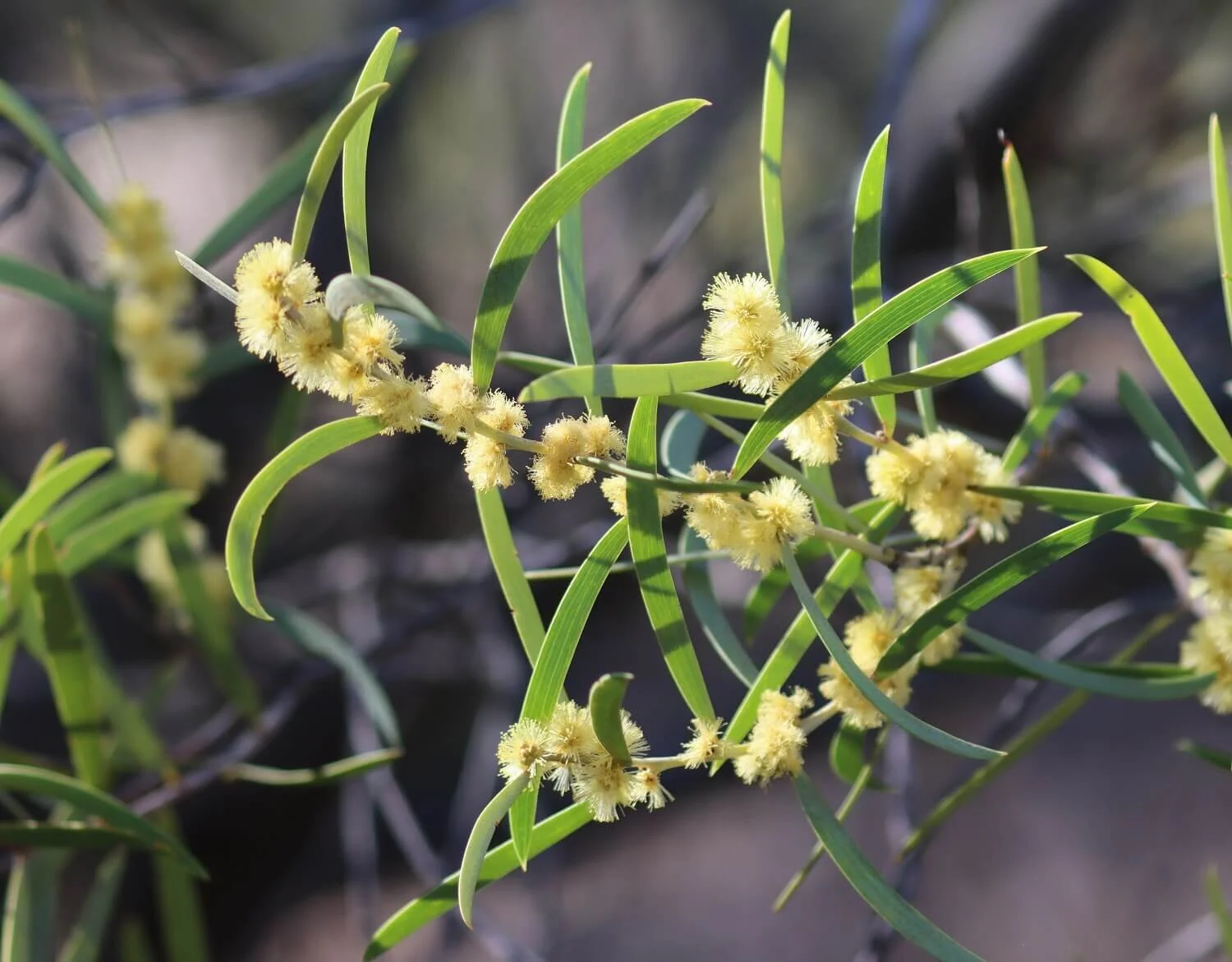

The Zebra Finches are here in numbers which means the Porcupine Grass seed is ripe. Porcupine Grass (Triodia scariosa), sometimes called Spinifex, has an interesting story …


Some parasitic Broomrapes are introduced pests, but one is a very rare native species. How to identify the weedy and native species.


Good Autumn and Winter rainfall means fields of swaying Spear Grass (Austrostipa spp.). These clever grass have self-planting seeds.

The Murnong (Yam Daisies) are flowering in the Mallee. Read more about identification, cultural uses for food and how to grow this beautiful plant.
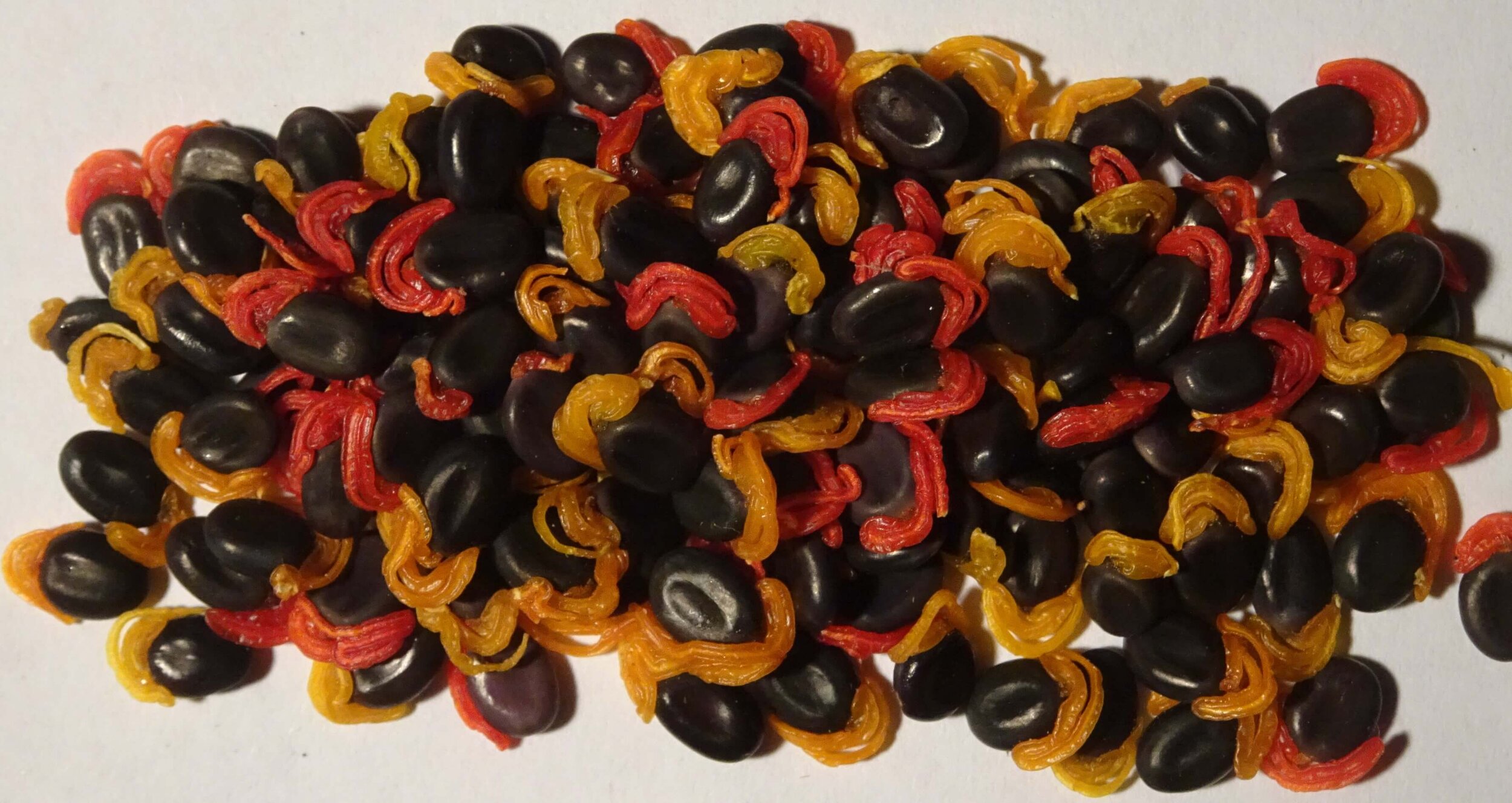
Year after year, the Wattle have their own, consistent rhythm for flowering … and seed collection.
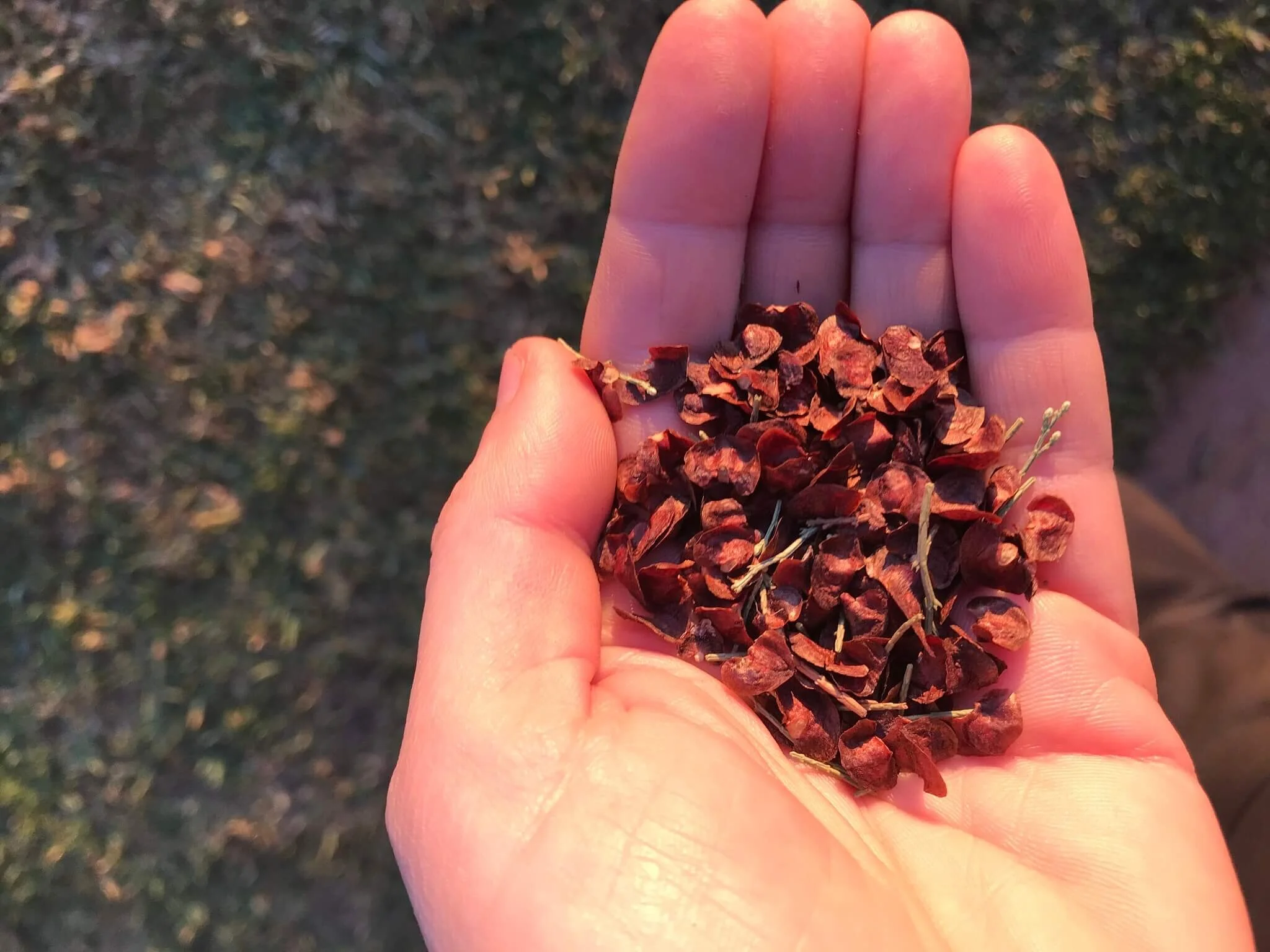
August is the time to sow seed of native Pine (Callitris gracilis) so the tubestock will be ready to plant out in Autumn.

I wish this was the intriguing Insect Egg Slime Mould, but it’s not … it’s Dog Vomit Slime Mould. Yuk.

Wandering Lichen is usually found blowing about on the soil surface, but when it rains the lichen unfurls to reveal …